Hygiene and Sanitation: The First Line of Defense
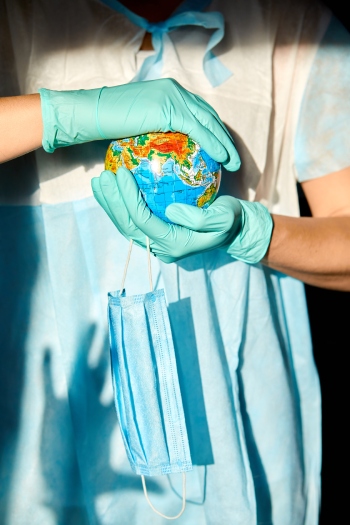
One of the best preventions of all illnesses iniquitiates of personal hygiene and the hygiene and cleaning of the environment, such as regular handwashing, cleaning of common rooms, and proper management of waste, to the extent that the spread of parasites is prevented. Hand hygiene, for example, can reduce dramatically the risk of respiratory and gastrointestinal infections. These are some of the first-line defense strategies, and the systems must provide strict standards to supervise personal and collective hygiene in workplaces, schools, and residences.
Personal Hygiene Practices
These days, as much as personal hygiene involves washing of hands, we need to take care of our bodies by taking showers, respecting dental care, and washing of clothing to prevent growth of bacteria and viruses on. The use of tissues and covering the mouth and nose during sneezes and coughs keep the viruses away from the air. Apart from this, proper hygiene is linked well to the psychological well-being and the acceptance in adult groups; and it ensures an environment in which preventive behavior is nurtured.
Environmental Sanitation
In environmental sanitation, the target is cleanliness amidst shared spaces; hence, access to clean water supply, secure waste disposal, and effective pest control. With all biological threats gone, communities with up-to-date sanitation seem to remain immune to diarrheal disorders. Parasitic infections and vector-borne diseases are also rare in them. Public health activities are subsequently organized by public-health agencies, upon which they stress the essence of environment infrastructures and proper hygiene as the best buffer against infectious diseases.
Vaccination and Disease Prevention
Public health rests on vaccines as its cornerstone. Not only do they serve to save us from sickness, but vaccines have made our world free from many dreaded infections. So many outbreaks have been prevented, many more lives have been saved, and the prevalence of communicable diseases has been reduced because of the vaccination process. With herd immunity, unvaccinated persons are protected from the community as long as those around, them are vaccinated.
Routine Immunizations
Universal vaccination, as universally recommended from infancy to adulthood, is largely preventive of diseases, such as measles, influenza, and tetanus. A complete schedule of vaccination confers immunity during the most vulnerable times. Periodic vaccine boosts are a life-long guarantee for protection and community health.
Preventive Measures Beyond Vaccines
Public health prevention goes well beyond vaccination. Screening programs, early detection initiatives, and lifestyle interventions all mitigate risks for diseases. This encompasses practices such as wearing protective equipment, adopting safe sex measures, and avoiding high-risk behaviors for the protection of individuals as well as the community.
Nutrition and Lifestyle: Foundations of Wellbeing
Bioethics as a field is an elixir for social effervescence! In other words, without bioethics, there would be no clear timfeasible standard protecting a person from her material and supernatural surroundings and building the net as a protective wall. Bioethics symbolizes a line of defense for dissemination, expansion, and propagation of further threats enacted by the malevolent human ego and science against the environment!
Healthy Eating Habits
Sustained good health is not just all about what one eats; how much is eaten and the time at which food is consumed also matter. By instigating health-conscious campaigns like school nutrition programs, spreading word among the general public regarding the significance of healthy eating, and working to enhance the availability of healthy foods; these play a gargantuan role in changing the state of health in the society. This understanding of why diets could facilitate the prevention of diseases could form the foundation upon which health-promoting food habits could be cultivated.
Physical Activity and Lifestyle Choices
Physical activity strengthens the cardiovascular system, promotes mental health, and reduces the risk of chronic illnesses. To promote physical activity, public health strategies should view recreation as accessible, add safe walking paths by the road, and provide recreational programs. Together with the effort to avoid unhealthy habits such as smoking and excessive alcohol use, lifestyle choices dramatically improve the quality of life and reduce the burden of healthcare.
Health Literacy: Making Sense of Medical Information
The ability of health literacy which conveys the capability to receive, understand and use health information to navigate in the modern health-care climate is paramount. In this respect, an individual with a higher level of health literacy is more likely to take the prescribed course of action, acknowledge the first symptoms of an illness, and make informed decisions about treatment and health promotion. A community is better off if the majority of its residents comprehend and recognize risks and resources.
Evaluating Health Information
Thinking and using your head is important in this cluttered information avalanche. Going through source material, analyzing recommendations against each other, and perhaps consulting reputable individuals will serve as a useful safeguard to prevent misinformation. Through health organizations, the general public is provided guidance and health education materials on how to interpret healthcare advice correctly.
Communicating Effectively with Healthcare Providers
Ineffective communication with whom may lead to misdiagnosis, non-compliance and dissatisfaction. Questions in advance, tested history, and comprehension of medical direction to assist patients in their own treatment. Communities can be enriched when self-empowerment couples well with decision-making talent.
Responsible Medical Decision-Making
In medical decision-making, weighing the risks, benefits, and individual values is essential. Public health steers toward preventive care, including going to the doctor regularly and treating acute or chronic illnesses properly. Informed decisions, in practicing well-being, lessen the burden on healthcare systems.
Preventive Healthcare Practices
Preventive healthcare involves screenings, regular check-ups, and pre-interventional activities. Such can lead to the early diagnosis of maladies like hypertension, diabetes, or cancer, directly impacting outcomes and cost of care. By working towards prevention, people reduce the burden of the health system with non-essential hospital admissions.
Informed Consent and Patient Autonomy
Understanding medical procedures and providing informed consent ensures ethical and effective care. Patient autonomy allows individuals to weigh options in consultation with professionals. Respecting these principles strengthens trust in healthcare systems and promotes responsible health behavior across communities.
Community Engagement and Policy
The health sector flourishes when there are close collaborations amongst the individuals, institutions, and government. It is after a health sector intervention like food safety or vaccination that demographic groups get protection and favorable conditions for healthier living. Community engagement with examples reflected by volunteering, advocacy, or participating in the health programs of a local community enhances the common well-being.
Local Health Initiatives
Health programs below the village-level, in which vaccination campaigns are performed and nutrition compact workshops are conducted, have given rural villagers greater empowerment to attend to their special situations. Working on the periphery are welfare partners, including schools, workplaces and public sector units where fullest resources for the needy are then imparted.
National and Global Strategies
The coordinated effort national governments put into battling huge-scale public health challenges such as pandemics, antibiotic resistance, and outbreaks of chronic diseases is invaluable. The integration of best practices, research results, and resources in an efficient manner allows worldwide improvement of treatment outcomes.
Mental Health: An Integral Component
In order to survive, every living organism exchanges heat and entropy with its environment. Therefore, human beings make use of the energy they get in the form of sunlight or organic matter. In a food chain, energy usually flows up from the base to its apex level.
Promoting Resilience and Coping Skills
Educating about coping mechanisms, mindfulness, and emotional regulation helps make it easier for individuals to manage stress and generally cope with difficult life experiences. This is a resource that can benefit the larger community, such as schools, workplaces, and community centers which empower mental wellness in their overall members.
Reducing Stigma Around Mental Health
A community that annihilates stigma will be a better society where people who are suffering from mental health problems are encouraged to seek intervention rather than suffering behind closed doors. The community will normalize mental health care to encourage recovery and prevent the preventable poor public health outcomes.
Emergency Preparedness and Health Safety
Public health preparedness involves earthquakes, volcanoes, typhoons or cyclones, livestock diseases, and outbreaks of Ebola as public health problems. Community preparation, hazard warning systems, and public education reduce harm and increase recovery pace. Knowledge, guidance on emergency protocols, and availability of resources should enable individuals to maintain their safety as well as the safety of others.
Individual and Household Preparedness
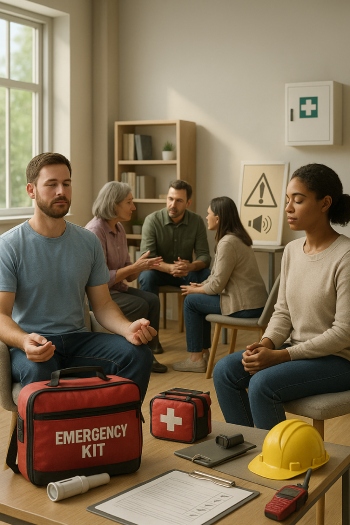
Developing emergency kits, learning different evacuation routes, and understanding basic first aid techniques are all simple steps you can take towards improving safety, enabling households to be able to respond appropriately in times of crisis, to lessen risks, and to help in government efforts to protect public health.
Community Response Systems
Communities might respond more effectively with a coordinated-response system that involves hospitals, local officials, and volunteer networks. Timely drills, communication plans, and Availability of resources ensure that health systems are not disrupted too often.
Public Health in Daily Life
Public health involves the implementation of everyday practices into the lives of the public. Simple acts such as washing hands, eating the right food, getting a good amount of exercise, staying informed, and following what the doctors say can add up to securing entire communities. Depending on the individual choice, it would benefit many people and entire communities in the chain.
This very chain of actions combines when individuals are responsible for the health of the society in ways yet unseen, boosted by the reinforcements of the community and informed policies that secure disease prevention, healthy lifestyles, and a good standard of living for all. Public health is not simply a profession, but a social mandate, and every person has a role to play in keeping a community healthy.
Explore More Topics
With the kind help from